What Are Ligament Injuries?
Ligament injuries happen when the tough bands that connect bones at a joint stretch or tear. These bands, called ligaments, help keep joints stable. Many people get ligament injuries during sports, falls, or sudden twists. For example, a twisted ankle can stretch or tear the ligaments. According to the CDC, ligament injuries are common in both children and adults. Early care and proper treatment can help prevent long-term problems. Ligament injury recovery often depends on the type and location of the injury.
Common Causes of Ligament Injuries
Many things can lead to ligament injuries. Often, these injuries happen suddenly. However, some can develop over time. Here are some common causes:
In some cities, icy sidewalks or uneven ground can increase the risk of falls and ligament injuries. Therefore, being aware of your surroundings is important.
Symptoms of Ligament Injuries
After a ligament injury, you may notice several signs. While symptoms can vary, most people experience:
Sometimes, symptoms appear right away. In other cases, swelling and pain may develop over a few hours. If you notice these signs, it is wise to rest and seek medical advice.
Diagnosis of Ligament Injuries
Doctors use several methods to diagnose ligament injuries. First, they will ask about how the injury happened. Then, they will check the joint for swelling, pain, and movement. In many cases, doctors use imaging tests to get a closer look. These may include:
Early diagnosis helps guide the right treatment plan. According to the American Academy of Orthopaedic Surgeons, getting a proper diagnosis is key for ligament injury recovery.
Recovery Process for Ligament Injuries
Recovery from ligament injuries can take weeks or months. The healing time depends on how badly the ligament is stretched or torn. For mild injuries, rest and ice may be enough. However, more serious tears might need a brace or even surgery. The recovery process often includes:
For severe ligament injuries, surgery might be needed. After surgery, recovery can take longer. Following your doctor’s advice is important for a safe return to activity.
The Role of Rehabilitation and Physiotherapy
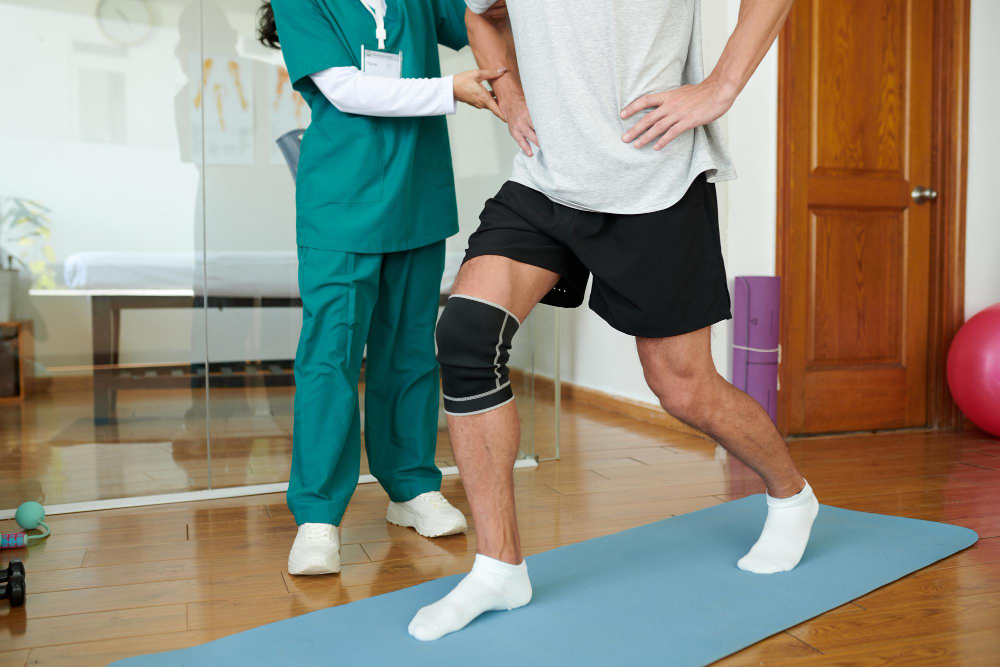
Rehabilitation after ligament tear is a key part of healing. Physiotherapy for ligament injuries helps restore strength, balance, and movement. In fact, starting rehab early can speed up recovery. A physiotherapist will design exercises to match your needs. These may include:
Moreover, physiotherapists teach you how to move safely. This lowers the risk of hurting the ligament again. According to the World Health Organization, rehabilitation is vital for full recovery after ligament injuries.
Prevention Tips for Ligament Injuries
While not all ligament injuries can be avoided, you can lower your risk. Here are some helpful tips:
In colder areas, ice and snow can make falls more likely. Therefore, walk carefully and use handrails when possible. Staying active and following these tips can help keep your ligaments healthy.