What is Spinal Injury Rehabilitation?
Spinal injury rehabilitation is a process that helps people recover after damage to the spine. It focuses on helping you regain movement and live as independently as possible. Because spinal injuries can affect many parts of the body, this care is very important. In fact, spinal injury rehabilitation uses special exercises and therapies to support spinal cord injury recovery. The goal is to help you return to daily life with more confidence and strength.
Common Causes of Spinal Injuries
Spinal injuries can happen for many reasons. However, some causes are more common than others. Understanding these can help you stay safe. For example, spinal injuries often result from:
Because these injuries can happen suddenly, knowing the risks is important for prevention.
Symptoms and Impact on Daily Life
Spinal injuries can cause many symptoms. For instance, you may notice:
As a result, these symptoms can make daily tasks harder. Even simple things like getting dressed or moving around may become a challenge. But with the right support, many people can improve over time.
Diagnosis and Assessment
Doctors use several steps to diagnose a spinal injury. First, they ask about how the injury happened. Next, they check your movement, feeling, and reflexes. Often, they use tests like X-rays, CT scans, or MRI scans to see the spine clearly. These tests help find the exact spot and type of injury. Early diagnosis is important because it guides the best treatment plan for spinal injury rehabilitation.
Rehabilitation Goals: Regaining Mobility and Independence
The main goal of spinal injury rehabilitation is to help you regain mobility and independence after spinal injury. For example, therapy aims to:
Because every person is different, your rehabilitation plan will be made just for you. This helps you reach your highest level of recovery.
Treatment Approaches in Physiotherapy
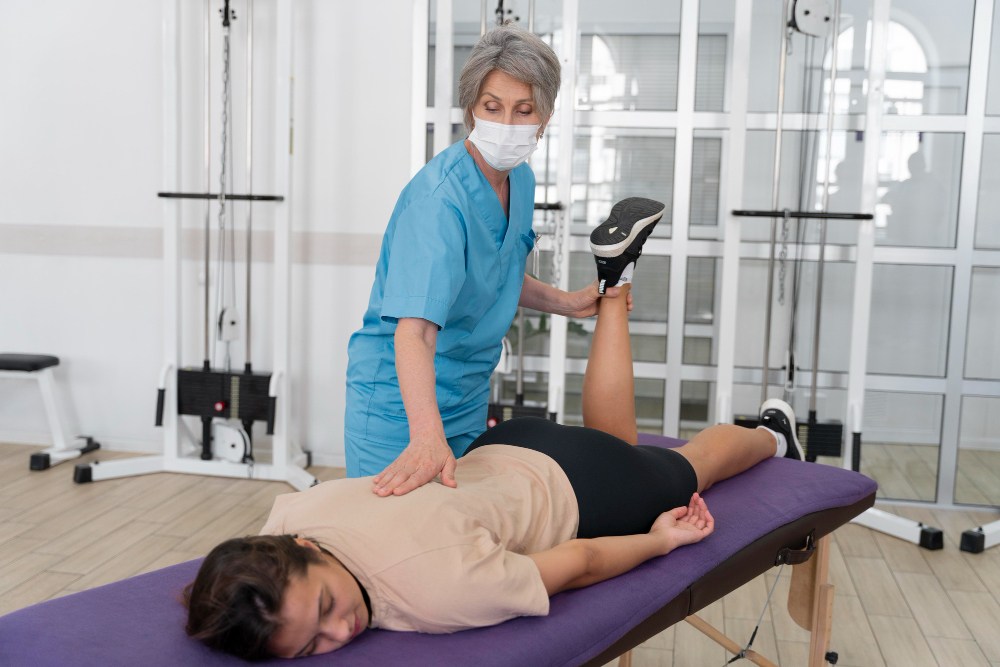
Physiotherapy for spinal injury is a key part of recovery. Therapists use many methods to help you regain movement. For instance, they may use:
In addition, occupational therapists may teach you new ways to do daily tasks. This team approach helps you regain mobility after spinal injury and supports your journey to independence.
Lifestyle Tips and Home Exercises
Even at home, you can support your spinal cord injury recovery. Here are some helpful tips:
Furthermore, simple home exercises like gentle stretching or seated movements can help keep your muscles strong. Always check with your physiotherapist before starting new exercises.
Prevention and Long-Term Management
Preventing further injury is important for long-term health. For example, you can:
Because spinal injury recovery is a lifelong journey, ongoing care and support are key. With the right steps, many people can lead active and fulfilling lives.
Conclusion
Spinal injury rehabilitation is vital for regaining mobility and independence. With the right care, support, and physiotherapy for spinal injury, you can make progress every day. For the best results, consult a physiotherapist or rehabilitation specialist Srinath Jangili for personalized guidance on spinal injury recovery.