What Are Tennis Elbow and Golfer’s Elbow?
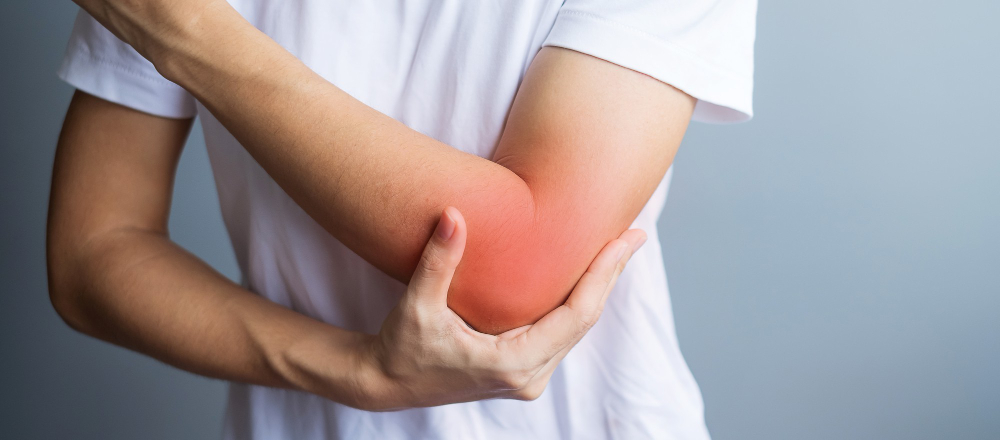
Tennis elbow and golfer’s elbow are common causes of pain around the elbow. Both conditions affect the tendons, which are strong bands that connect muscles to bones. Tennis elbow, also called lateral epicondylitis, causes pain on the outside of the elbow. In contrast, golfer’s elbow, or medial epicondylitis, causes pain on the inside. Although these names suggest sports, anyone can get these conditions. Often, they result from repeated hand or wrist movements. Because the tendons are strained, gripping objects can become painful.
Common Symptoms and Warning Signs
Usually, the first sign is pain near the elbow. However, other symptoms may also appear. For example, you might notice:
If you feel these symptoms, it is important to rest your arm. Early care can help prevent long-term problems.
Causes: Why Does Your Grip Hurt?
Both tennis elbow and golfer’s elbow are caused by overuse. When you repeat the same arm or wrist motion, the tendons can get tiny tears. Over time, these tears cause pain and swelling. For instance, activities like typing, gardening, or using tools can lead to these injuries. Even though sports like tennis or golf are common causes, many people develop these problems from daily tasks. Because the tendons control your grip, damage makes holding things painful. In addition, poor technique or weak muscles can increase your risk.
Diagnosis: How Are These Conditions Identified?
Doctors usually diagnose tennis elbow and golfer’s elbow through a physical exam. First, they will ask about your symptoms and daily activities. Next, they may press on your elbow to find tender spots. Sometimes, they will ask you to move your wrist or fingers against resistance. In rare cases, imaging tests like X-rays or MRI scans are used. These tests help rule out other causes of elbow pain. However, most cases are clear from your symptoms and exam alone.
Effective Treatment Options
Most people recover from tennis elbow or golfer’s elbow without surgery. Treatment focuses on reducing pain and helping the tendons heal. Common options include:
For severe or long-lasting pain, surgery may be considered. However, this is rare. Most people improve with simple treatments and time.
Home Care and Lifestyle Tips
While you recover, there are steps you can take at home. For example:
Additionally, following a physiotherapist’s advice can speed up elbow pain recovery. If pain lasts more than a few weeks, see a doctor.
Prevention: How to Avoid Recurrence
After you recover, it is important to prevent the pain from coming back. Here are some tips:
Because prevention is key, regular exercise and good habits can help keep your elbows healthy.
In summary, tennis elbow and golfer’s elbow are common causes of grip pain. Early care and proper treatment can help you recover. For the best results, consult Dr Srinath Jangili a physiotherapist for personalized recovery advice.